
Presented By - Luxuriant Design Studio Pvt Ltd
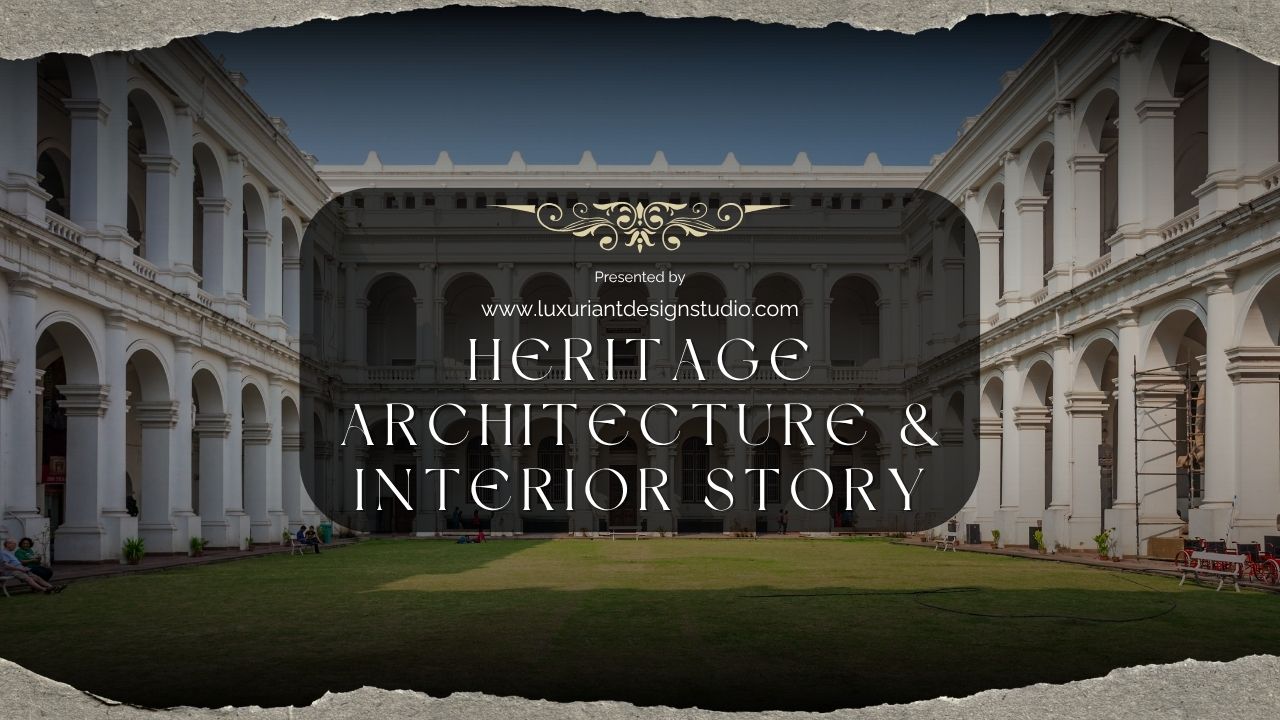
Heritage Architecture & Interior Story
A Journey Through Time, Design, and Living Spaces
Kolkata is not just a city. It is a layered story told through walls, courtyards, columns, and corridors. From the quiet lanes of Sodepur and Panihati to the grand colonial streets of Kolkata, architecture here is deeply emotional, cultural, and timeless.
If you look closely, every building in this region tells a story. Not just of design, but of people, lifestyle, and evolution.
The Historical Roots of Panihati & Sodepur
Panihati is one of the oldest inhabited regions in North Kolkata’s suburban belt. Historically, it was a major river trade center, known as an “emporium of merchandise,” connected through the Hooghly River trade routes.
The region is deeply connected with Vaishnav culture and spiritual movements, with visits from saints like Chaitanya Mahaprabhu. Over time, this spiritual and cultural richness influenced not just lifestyle but also residential architecture patterns.
Sodepur, as part of Panihati, later developed into a freedom movement hub, especially with the establishment of Gandhi Ashram, adding another historical layer to its built environment.
Architectural Influence in Local Homes
- Courtyard-based homes (angan-centric planning)
- Thick brick walls for climate control
- Sloped roofs and verandahs for ventilation
- Decorative wooden doors and shutter windows
These elements were not luxury. They were practical design solutions, now considered premium heritage features.
A Deep Design Journey Through Time, Culture, and Modern Living
Kolkata is not just a city built with bricks and concrete. It is a city built with memory, culture, craftsmanship, and evolution. From the quiet residential belts of Sodepur and Panihati to the grand colonial zones of Kolkata, every structure reflects a timeline of architectural transformation.
For architects, interior designers, and homeowners, this region offers something rare:
a perfect blend of heritage architecture and modern interior design possibilities.
The Cultural & Architectural Origins of Panihati
Panihati is one of the oldest historically rich regions in North Kolkata’s suburban belt. Situated along the Hooghly River, it once functioned as a major trade and cultural hub, influencing not only commerce but also residential architecture styles.
The area is closely associated with spiritual movements, especially Vaishnav traditions. This cultural depth directly shaped:
- House layouts
- Decorative elements
- Spatial planning
Traditional Architectural Features in Panihati Homes
- Central Courtyard (Angan)
Designed for light, airflow, and family interaction. - High Ceilings
Essential for Kolkata’s humid climate, ensuring natural cooling. - Verandahs (Semi-open Spaces)
Transitional zones between indoor and outdoor living. - Load-bearing Brick Walls
Thick walls that regulate temperature naturally. - Wooden Detailing
Doors, windows, and railings crafted from teak and local hardwood.
These features are now considered premium in modern luxury interior design, especially for heritage-inspired residential interior projects in Kolkata.
Sodepur – Where Heritage Meets Modern Growth
Sodepur, a part of Panihati municipality, evolved significantly during India’s freedom movement era. With institutions like Gandhi Ashram, the area developed both cultural and political importance, influencing urban settlement patterns.
Today, Sodepur represents a transition zone:
- Old Bengali homes coexist with modern apartments
- Heritage structures stand beside contemporary buildings
- Renovation projects are increasing rapidly
Interior Design Opportunity in Sodepur
This mix creates high demand for:
- Residential interior designers in Kolkata
- Home renovation experts
- Turnkey interior design services
- Heritage restoration specialists
Designers are now focusing on adaptive reuse, where old homes are transformed into modern luxury spaces without losing their original charm.
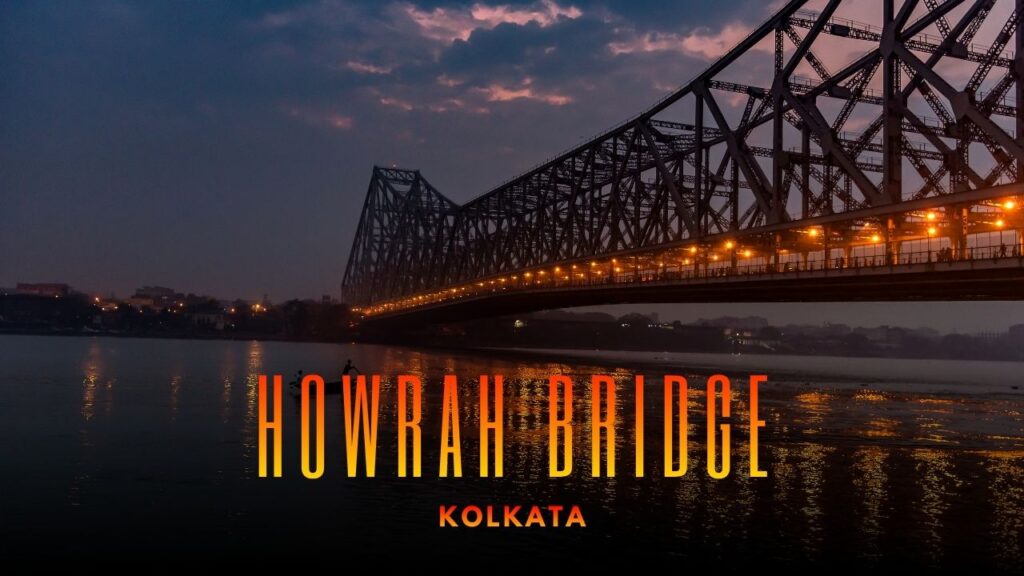
Kolkata – The Architectural Capital of Eastern India
Kolkata is often described as a living museum of architecture, where every street showcases a different design language.
Major Architectural Styles Found in Kolkata
1. Colonial Architecture
- Large columns and symmetrical layouts
- Grand staircases
- High ceilings and long corridors
2. Bengali Traditional Architecture
- Courtyard houses
- Terracotta detailing
- Sloped roofs
3. Art Deco Style
- Curved edges
- Minimal ornamentation
- Geometric patterns
4. Indo-European Fusion
- Blend of Indian craftsmanship with European structure
These styles influence modern interior design companies in Kolkata, especially those working in:
- Luxury home interior design
- Hotel and resort interior design
- Restaurant and bar interior design
- Office interior design projects
North Kolkata & Suburban Heritage – The Hidden Design Treasure
While South Kolkata is known for modern development, North Kolkata, Sodepur, and Panihati hold the true essence of heritage architecture.
Walking through these areas, you’ll find:
- Rajbaris (royal mansions)
- Old zamindar houses
- Narrow lanes with heritage façades
- Decorative balconies and railings
Unique Design Elements Still Visible
- Khorkhori Windows (ventilated shutters)
- Ornamental Iron Railings
- Handmade Mosaic & Cement Tiles
- Lime Plaster Walls
- Decorative Cornices & Arches
These elements are now being revived in modern interior design trends in Kolkata.
Interior Story – How Heritage Shapes Modern Design
Interior design in Kolkata is not just about aesthetics. It is about storytelling.
Key Heritage Interior Elements Used Today
1. Wooden Furniture & Paneling
Inspired by colonial and Bengali homes, used in luxury interiors.
2. Vintage Flooring
Pattern tiles and marble combinations are making a comeback.
3. Arch Designs
Used in living rooms, entryways, and commercial spaces.
4. Antique Lighting Fixtures
Chandeliers and wall lamps add a timeless feel.
5. Neutral & Earthy Color Palettes
Inspired by traditional homes.
These elements are widely used by luxury interior designers in Kolkata to create unique, emotional spaces.
The Concept of “Kingdom Times Architect and Interior”
In today’s design world, a new conceptual approach is emerging:
“Kingdom Times Architect and Interior”
This concept reflects:
- Royal aesthetics
- Heritage richness
- Timeless luxury
- Grand spatial planning
What Defines Kingdom Times Interior Design?
- Large-scale layouts with open planning
- Use of premium materials like marble, wood, and brass
- Classic furniture with modern functionality
- Rich textures and layered lighting
- Blend of historical design with contemporary comfort
This approach is highly popular in:
- Luxury bungalow interior design
- Villa interior projects
- High-end residential interiors
- Boutique hotel designs
For companies like Luxuriant Design Studio Pvt Ltd, integrating kingdom times architect and interior concepts helps create premium, standout projects in Kolkata and surrounding areas.
Art Deco Influence – A Turning Point in Design
Kolkata has one of the largest collections of Art Deco buildings in India.
Key Features of Art Deco Interiors
- Clean lines and symmetry
- Bold geometric patterns
- Streamlined furniture
- Metallic accents
Today, this style is widely used in:
- Office interior design Kolkata
- Restaurant interior design
- Commercial interior projects
It represents a shift from traditional ornamentation to modern minimal luxury.
Adaptive Reuse – The Future of Heritage Design
One of the biggest trends in Kolkata’s architecture and interior design industry is adaptive reuse.
What is Adaptive Reuse?
Transforming old heritage buildings into modern functional spaces without destroying their original structure.
Common Conversions
- Old houses → Boutique cafes
- Rajbaris → Luxury hotels
- Heritage homes → Modern residences
- Colonial buildings → Corporate offices
This trend is growing rapidly in:
- Sodepur
- Panihati
- North Kolkata
Challenges in Heritage Preservation
Despite its richness, heritage architecture in Kolkata faces several issues:
- Lack of maintenance
- Real estate pressure
- Structural decay
- Limited awareness
Many old buildings are being demolished instead of restored.
Role of Interior Designers
Modern interior designers must:
- Preserve original elements
- Use sustainable materials
- Blend heritage with modern needs
- Educate clients about design value
Why Heritage Interior Design is Trending in Kolkata
Today’s clients want more than just modern interiors. They want:
- Identity
- Storytelling
- Cultural connection
Heritage-inspired interiors provide:
- Timeless aesthetics
- Emotional value
- Unique design identity
This is why keywords like:
- Luxury interior designer Kolkata
- Heritage interior design Kolkata
- Residential interior designer Kolkata
- Commercial interior designer Kolkata
are becoming highly searched on Google.
Sodepur & Panihati – Emerging Interior Design Market
These areas are rapidly growing in terms of:
- Residential construction
- Renovation projects
- Interior design demand
Key Opportunities
- Turnkey interior design services
- Budget to luxury home interiors
- Office interior design
- Small commercial projects
Designers who understand both modern trends and heritage aesthetics will dominate this market.
Role of Luxuriant Design Studio Pvt Ltd
As a leading interior design company in Kolkata, Luxuriant Design Studio Pvt Ltd specializes in:
- Luxury residential interior design
- Office interior design
- Restaurant and bar interior design
- Hotel and resort interior projects
- Turnkey interior solutions
By combining:
- Modern design techniques
- Heritage inspiration
- Kingdom times architect and interior concepts
the company creates spaces that are:
functional, elegant, and timeless.
Conclusion – A Living Legacy of Design
From Panihati’s spiritual roots to Sodepur’s evolving residential landscape and Kolkata’s grand architectural heritage, this region offers endless inspiration.
For architects and interior designers, this is more than a market.
It is a design legacy waiting to be reimagined.
The future of interior design in Kolkata lies in:
- Respecting the past
- Designing for the present
- Building for the future
Because here, every wall has a story.
And every design is a continuation of history.